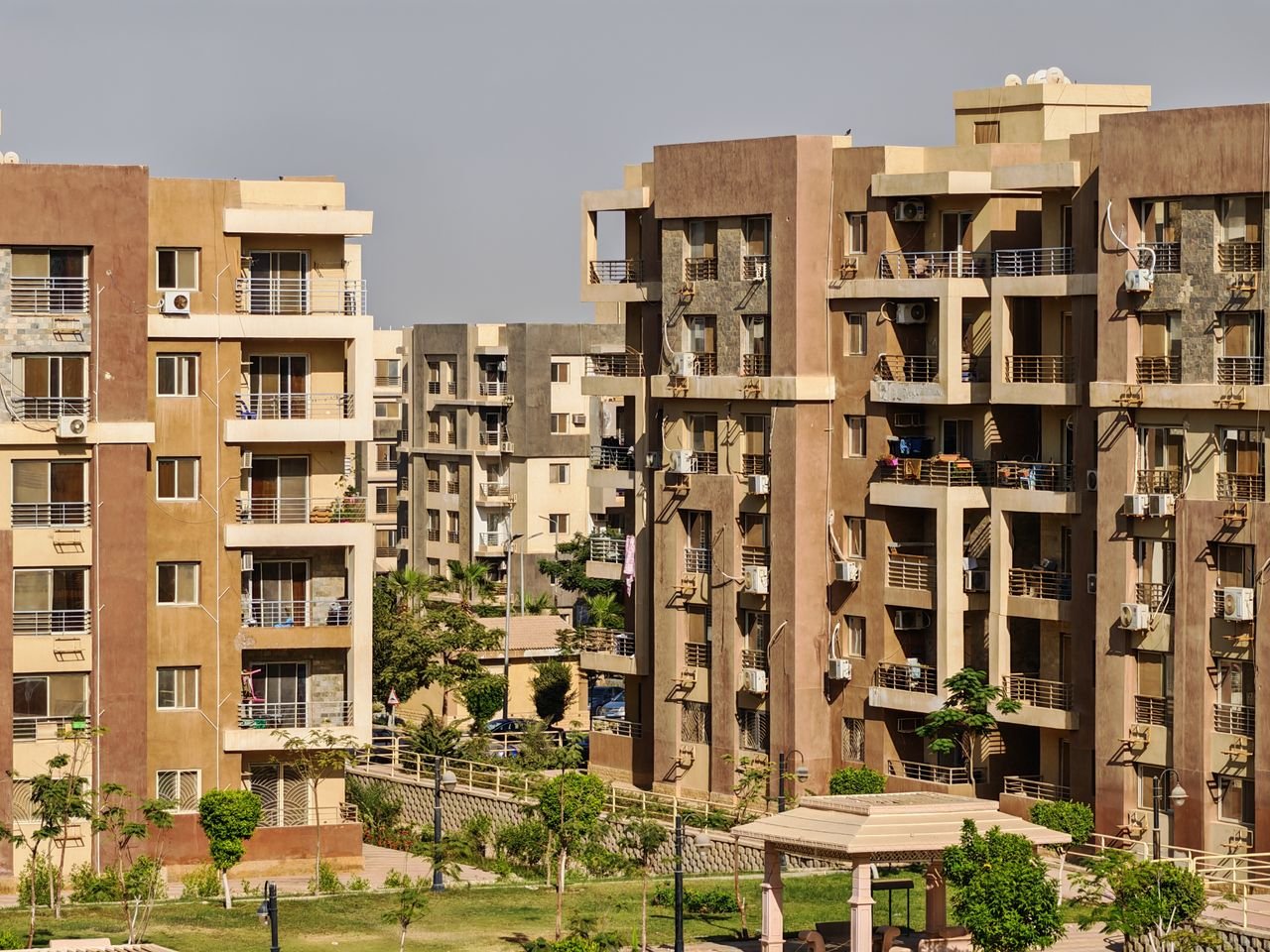
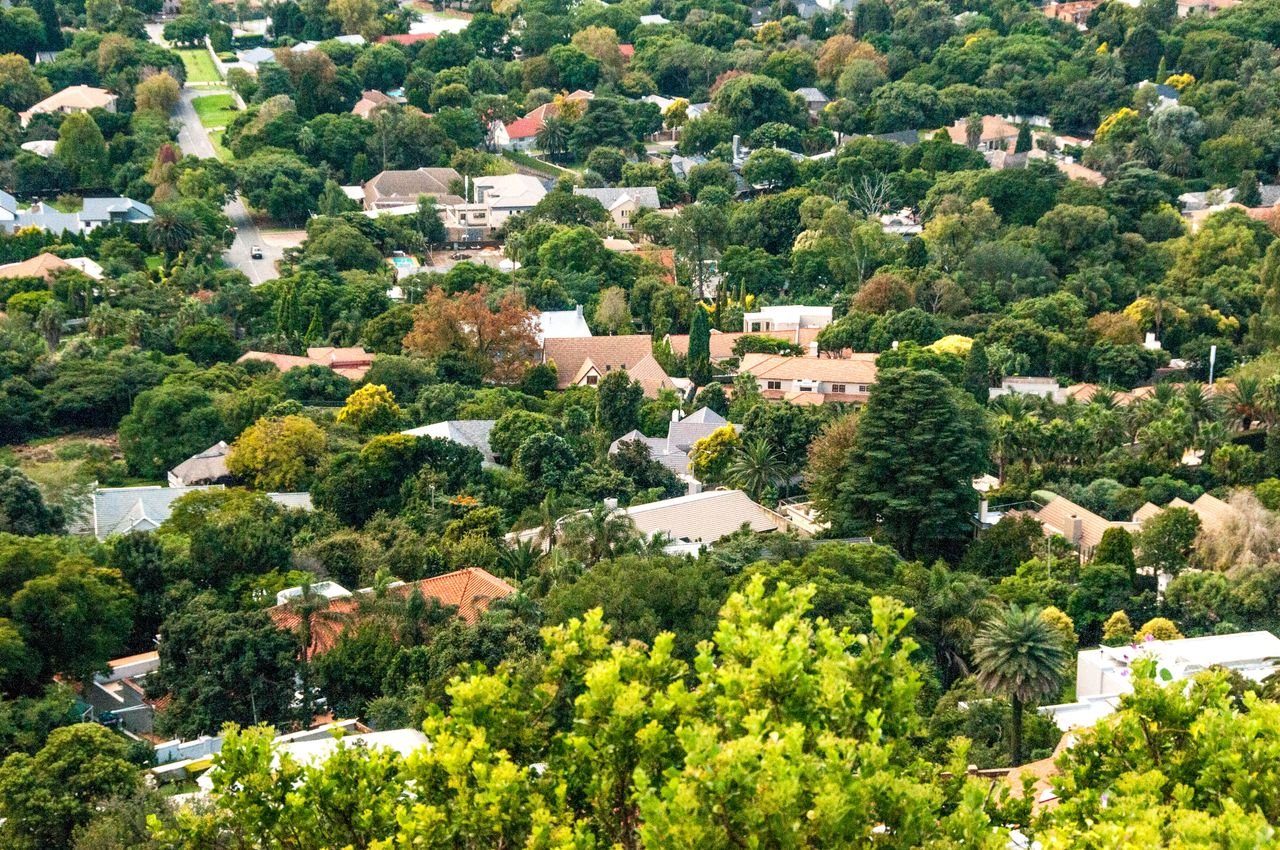
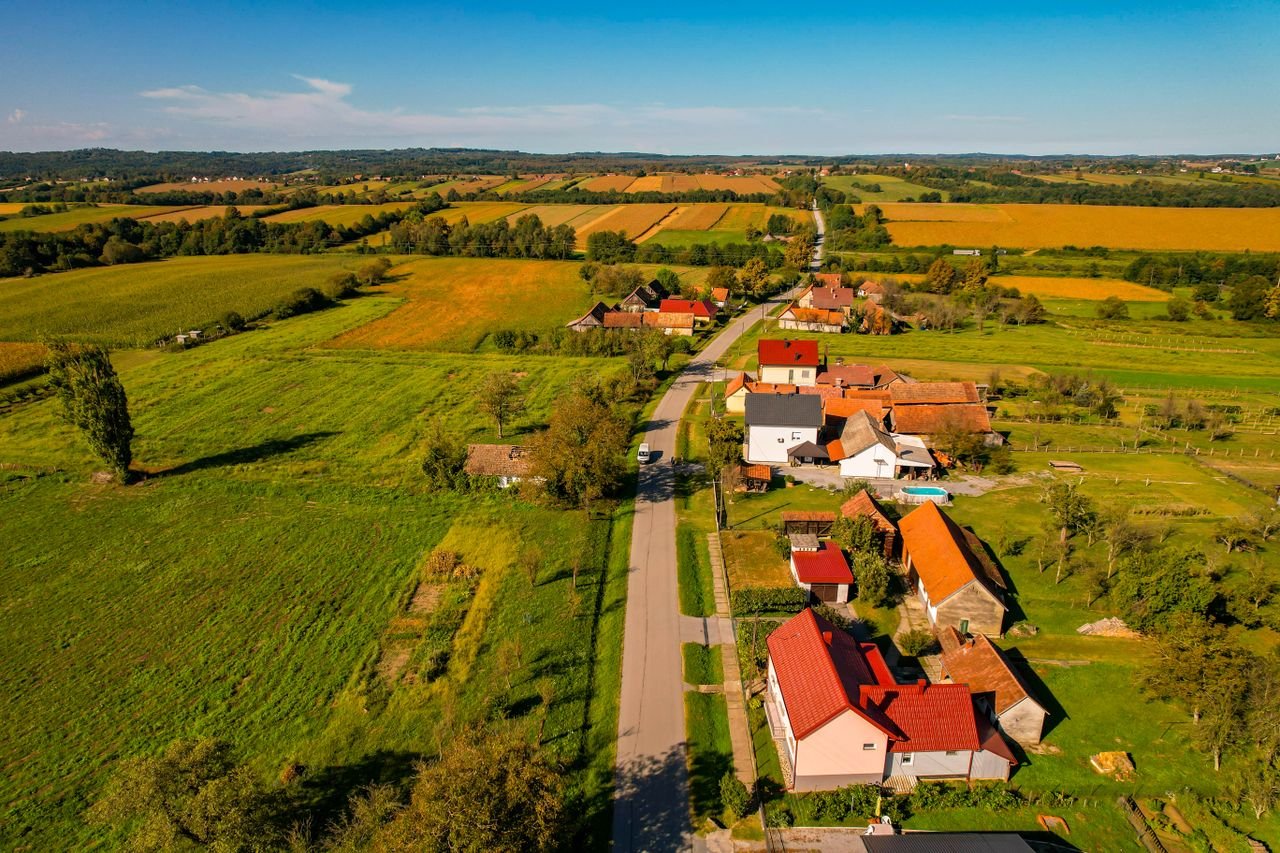
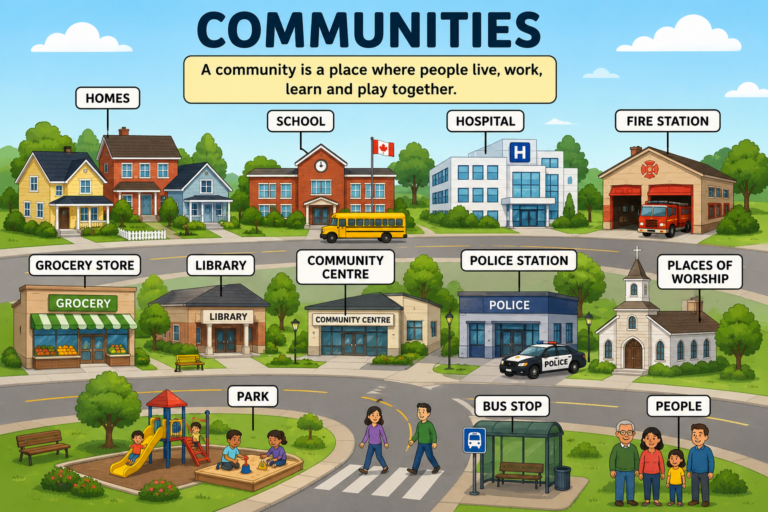
A community is a group of people who live, work, and interact in the same area. Communities can be big or small. Some communities are as small as a single street where everyone knows each other’s names. Other communities are as large as an entire city with millions of people. What makes a group of people a “community” isn’t the size — it’s the fact that they share a place and often depend on each other in different ways.
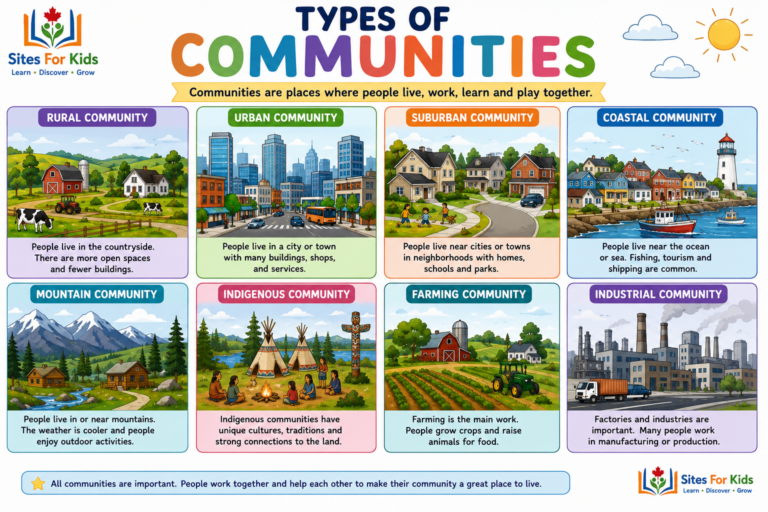
🏙️ Types of Communities
Each type of community has its own way of life, but all three types need the same basic things to function: safety, education, healthcare, and connection between neighbors.
Not all communities look the same. Geographers and social studies teachers usually group communities into three main types:
Every community depends on people who take on important jobs to keep things running smoothly. These are often called community helpers, and you probably interact with several of them every single week.
Firefighters protect communities from fires and other emergencies, often putting themselves at risk to keep others safe. Police officers help keep neighborhoods safe and make sure people follow important rules. Teachers help children learn and grow, preparing the next generation of community members. Doctors and nurses take care of people when they’re sick or hurt. Mail carriers deliver letters and packages so people can stay connected with friends and family, even far away. Sanitation workers keep streets and neighborhoods clean by collecting garbage and recycling.
Without these helpers working together, a community wouldn’t be able to function smoothly. That’s part of what makes a community special — everyone plays a role, even if it’s a small one.
🎬 Watch & Learn
How Communities Work Together
Communities aren’t just a collection of people living near each other — they’re groups of people who actively help and support one another. Think about a local food drive, where neighbors bring extra food to donate to families who need it. Or a neighborhood cleanup day, where people come together to pick up litter in a local park. These are examples of a community working as a team.
Communities also often share resources like parks, libraries, schools, and hospitals. These shared resources are sometimes called public services, because they’re available to everyone in the community, not just one person or family.
Rules That Keep Communities Running
Every community, no matter how big or small, has rules that help keep things fair and safe for everyone. These rules might include things like speed limits on roads, quiet hours at night, or recycling schedules. Community rules are usually created by local leaders, sometimes with input from community members themselves through town meetings or votes.
Rules exist because when many people share a space, everyone’s actions can affect everyone else. If there were no rules about noise, for example, one person’s loud music at midnight could keep an entire street awake. Rules help balance everyone’s needs so the whole community can thrive together.
Why Communities Matter
Being part of a community gives people more than just a place to live — it gives them a sense of belonging. Communities offer support during hard times, celebration during good times, and connection every day in between. When a community works well together, everyone benefits: kids have safe places to play, families have access to good schools, and neighbors look out for one another.
Illustrations
Labeled diagram of Communities
Join 10,000 Young Explorers
Get a FREE worksheet
Cookie Consent
We use cookies to improve your experience on our site. By using our site, you consent to cookies.
Contains information related to marketing campaigns of the user. These are shared with Google AdWords / Google Ads when the Google Ads and Google Analytics accounts are linked together.
90 days
__utma
ID used to identify users and sessions
2 years after last activity
__utmt
Used to monitor number of Google Analytics server requests
10 minutes
__utmb
Used to distinguish new sessions and visits. This cookie is set when the GA.js javascript library is loaded and there is no existing __utmb cookie. The cookie is updated every time data is sent to the Google Analytics server.
30 minutes after last activity
__utmc
Used only with old Urchin versions of Google Analytics and not with GA.js. Was used to distinguish between new sessions and visits at the end of a session.
End of session (browser)
__utmz
Contains information about the traffic source or campaign that directed user to the website. The cookie is set when the GA.js javascript is loaded and updated when data is sent to the Google Anaytics server
6 months after last activity
__utmv
Contains custom information set by the web developer via the _setCustomVar method in Google Analytics. This cookie is updated every time new data is sent to the Google Analytics server.
2 years after last activity
__utmx
Used to determine whether a user is included in an A / B or Multivariate test.
18 months
_ga
ID used to identify users
2 years
_gali
Used by Google Analytics to determine which links on a page are being clicked
30 seconds
_ga_
ID used to identify users
2 years
_gid
ID used to identify users for 24 hours after last activity
24 hours
_gat
Used to monitor number of Google Analytics server requests when using Google Tag Manager